Bird Behavior | September 19, 2026
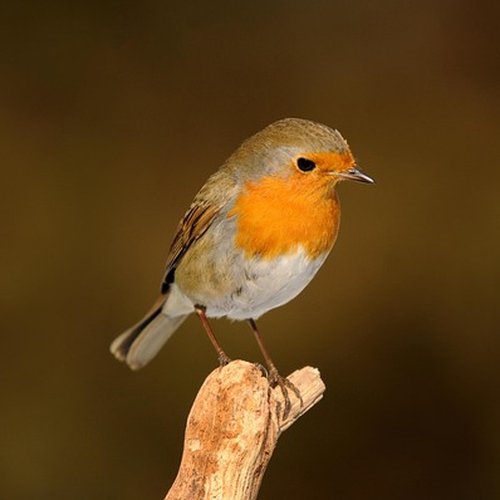
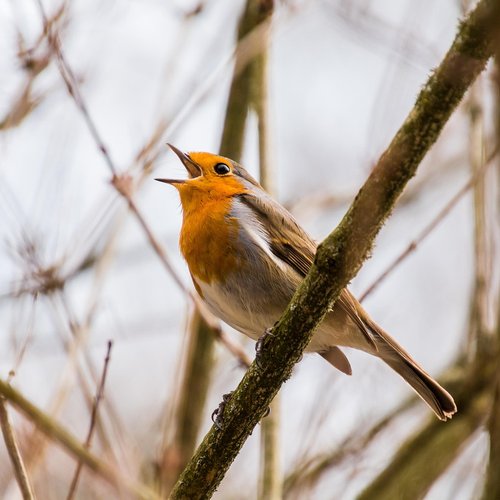
There is a particular kind of magic in stepping outside just as the sky turns from charcoal to grey. The air feels different, the world is quiet except for one thing: the birds. Long before most of us have reached for the coffee pot, robins, blackbirds, and song thrushes are already deep in conversation. This early morning performance has a name, the dawn chorus, and once you start listening, it is hard to stop.
Understanding why birds sing so intensely at first light makes the experience even richer. It is not simply that they are greeting the day. The dawn chorus is a carefully timed event shaped by survival, territory, and the simple fact that sound travels further in cool, still air.
Why the Early Hours Are So Loud
Several things come together at dawn to create the perfect acoustic conditions for birds. The air is often cooler and calmer than later in the day, which means sound waves travel more efficiently with less interference from wind and rising warm air. For a bird trying to broadcast its presence across a large area, this is prime time.
There is also the matter of light. Most songbirds are active during the day and rely heavily on vision, which leaves them vulnerable to predators. In the half-light before sunrise, it is still too dark to forage effectively, but there is just enough light for birds to move and sing. This creates a window where singing carries little cost and potentially great reward.
And what a reward it is. A male bird that sings at dawn is doing two jobs at once. He is announcing to rival males that this patch of garden, hedge, or woodland edge is already claimed. At the same time, he is advertising to females that he is healthy, strong, and worth a second look. The dawn chorus is essentially a daily round of property marking and personal advertising, conducted entirely in song.
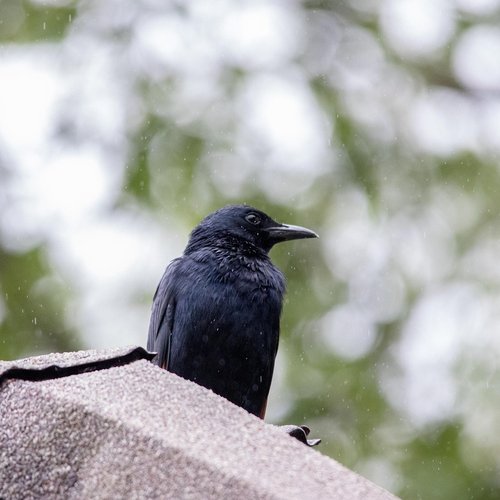
Different species also start at slightly different times, creating a layered effect that birdwatchers sometimes call the chorus ladder. Robins and blackbirds often begin while it is still quite dark, followed by song thrushes, then wrens and tits as the light improves. If you listen carefully across several mornings, you can begin to pick out these individual voices and even predict who will sing next.
Making the Dawn Chorus Part of Your Routine
The good news is that you do not need a woodland or a nature reserve to enjoy this. A garden, a balcony, or even an open window facing a few trees can be enough. The key is timing. In spring and early summer, the chorus can begin as early as an hour before sunrise, so a little planning helps.
Start by choosing a morning when you can afford to be a bit tired. Set out a chair or simply open a window where you have a clear line to the outdoors. You do not need binoculars at first. Close your eyes and let your ears do the work. Try to notice how the sound changes over ten or fifteen minutes. At first it may feel like a wall of noise, but soon individual patterns emerge: the fluting notes of a blackbird, the bright repeated phrases of a robin, the short insistent calls of a great tit.
Keeping a simple notebook can deepen the experience. Jot down the time you heard the first song and which species you could identify. Over a season, you will build a personal record of how the chorus shifts with the weather and the calendar. Some mornings will be quiet, especially if it is wet or windy, and that contrast makes the loud mornings feel even more special.
If you want to go further, a basic pair of binoculars and a local birdsong guide or app can help you match sounds to species. But do not let equipment get in the way. The dawn chorus is one of the most accessible wildlife experiences there is, and it costs nothing but an early alarm. Once you have heard a garden come alive at first light, you may find yourself setting that alarm more often than you expected.


























Simple, low-cost changes to your garden that make robins feel at home all year round.
Alice Rose
Sep 27, 2026 at 3:12 pm