Photography Tips | September 16, 2026
Most bird photographers pack up when the first raindrops fall. It is understandable. Wet gear is a worry, light is flat, and birds seem to disappear. But some of the most striking bird images come from exactly these conditions. Rain adds texture, mood, and a sense of story that a bright sunny day simply cannot match. With a little preparation, a rainy session can become one of your most rewarding.
The first thing to accept is that rain changes the rules. You are not chasing the same sharp, brightly lit portraits you would get on a clear morning. Instead, you are looking for atmosphere, droplets, reflections, and the quiet behavior of birds sheltering or feeding in wet conditions.
Protecting Your Gear Without Missing the Shot
Before you even think about composition, you need to keep your camera dry. Modern cameras are more weather-resistant than many people assume, but prolonged exposure to rain is still a risk. A simple rain cover, often sold as a camera rain sleeve, is inexpensive and folds down small. If you do not have one, a clear plastic bag with a hole cut for the lens can work in a pinch, though it is fiddly.
Lens hoods are your friend. They keep raindrops off the front element and reduce the chance of flare from the flat, diffused light. A microfiber cloth in a zip bag is essential for wiping away the occasional drop that does land on the glass. Try to avoid constantly wiping the lens, though, as this can smear and make things worse. A single careful wipe between bursts of shooting is usually enough.
Your own comfort matters too. Waterproof clothing and a hat with a brim will keep you steady and patient. If you are cold and miserable, you will rush, and rushed bird photography rarely produces good results. Set up somewhere you can stay reasonably dry, such as a doorway, a garden shed, or a window with the glass removed or opened wide.
One unexpected advantage of rain is that birds often become more approachable. Many species are focused on feeding to maintain their energy, and the reduced visibility works in your favor. If you stay still and quiet, you may find that birds come closer than they would on a bright, exposed day.
Working with Soft Light and Wet Textures
The light on a rainy day is naturally soft and even, which means no harsh shadows and no blown highlights. This is actually flattering for birds, bringing out the subtle details in their plumage that strong sunlight can wash out. The challenge is that everything can look a little flat, so you need to find ways to add depth.
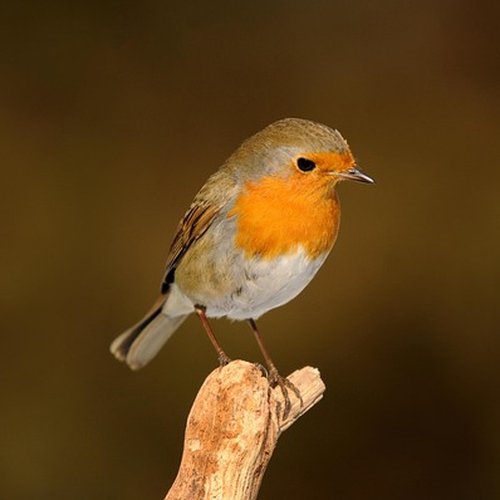
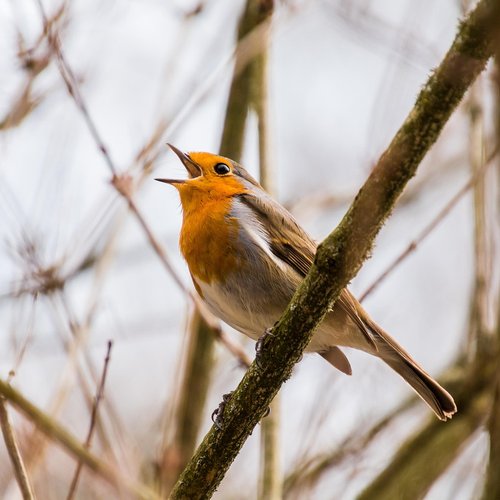
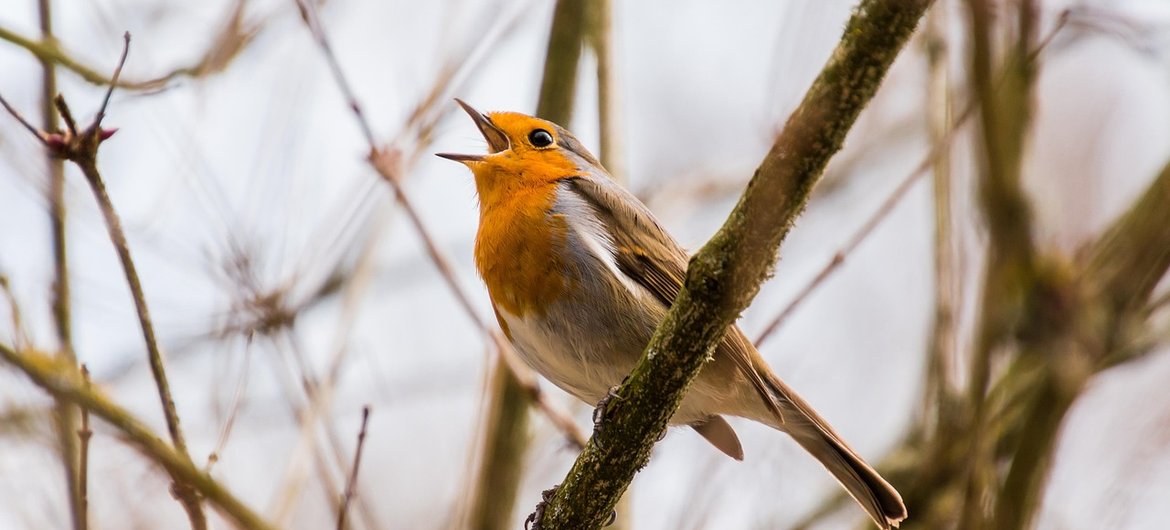
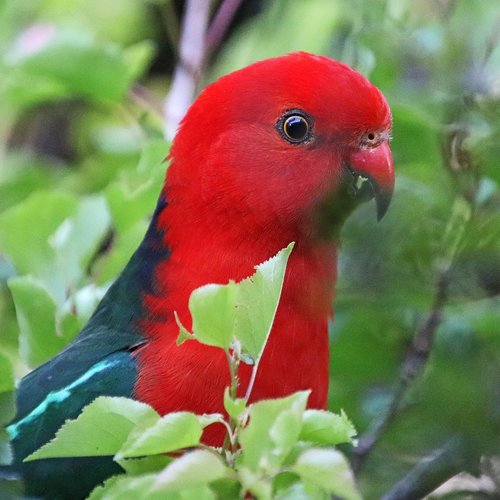
Look for color contrast. A robin's red breast against dark wet foliage, or a blue tit's yellow and blue against grey stone, will pop beautifully in these conditions. Wet feathers also catch the light in a different way, and if you can position yourself so that the bird is against a darker background, those subtle sheens become more visible.
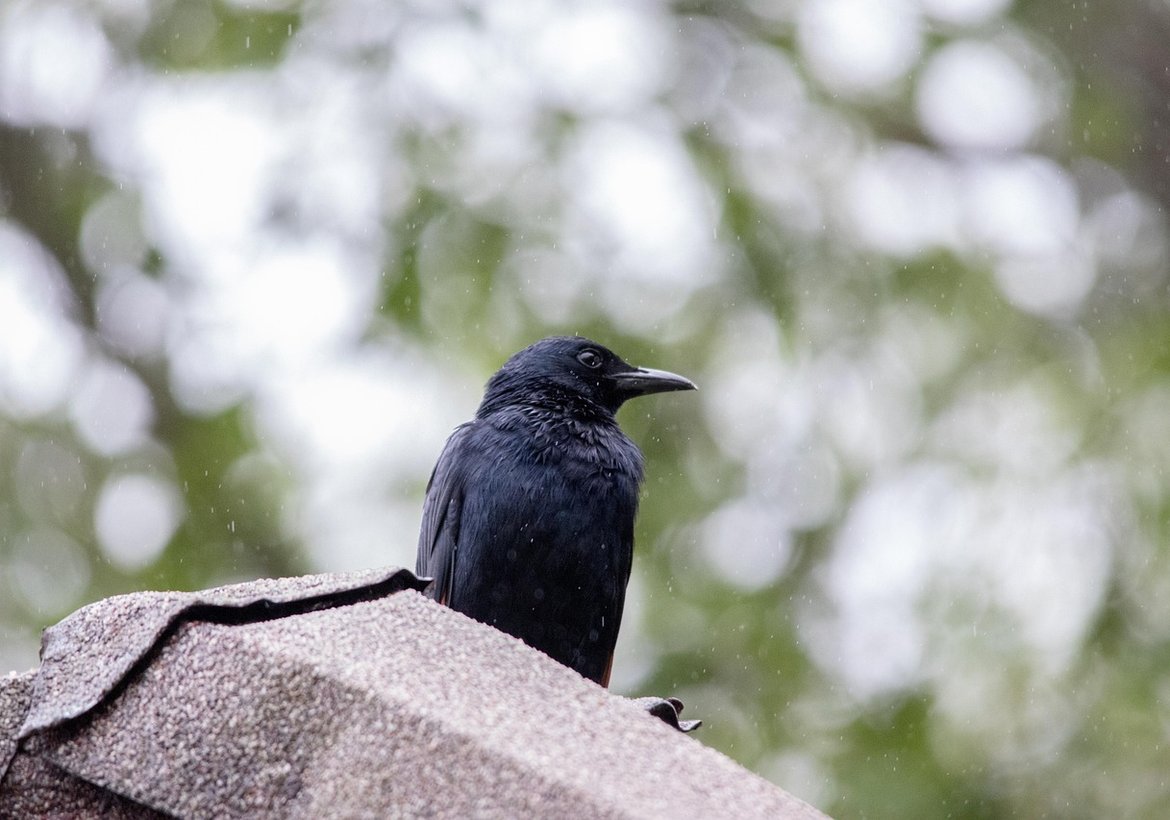
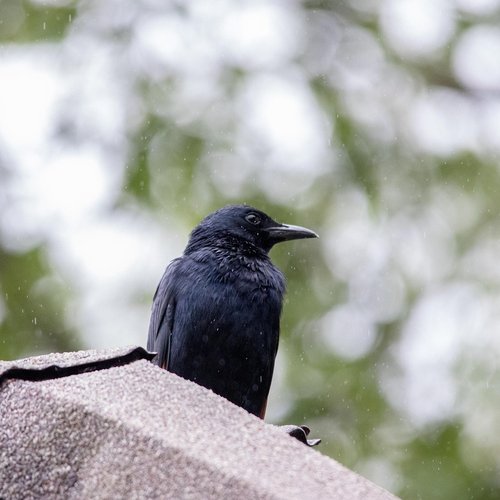
Raindrops themselves can become part of the image. If you shoot with a shallow depth of field, droplets on branches or leaves in the foreground can turn into soft, glowing bokeh. A fast shutter speed will freeze falling rain as streaks or dots, while a slower speed will blur it into a misty veil. Both effects can work, depending on the mood you want.
Do not forget the moments between the showers. When rain eases, birds often burst into activity, bathing in puddles, preening on wet branches, and chasing each other through dripping foliage. These behavior shots are often more interesting than a static portrait, and the wet environment gives them context.
Finally, be prepared to embrace a little imperfection. A few raindrops on the lens, a slightly misty frame, or a bird partly obscured by wet leaves can all add to the feeling of a real, living moment. The goal is not technical perfection but a sense of place and weather. On your next rainy day, instead of putting the camera away, put on your waterproofs and see what the wet world has to offer.






















Turn your kitchen window into a hide and capture sharp, natural bird portraits without leaving the house.
Alice Rose
Aug 30, 2026 at 3:12 pm