Birdwatching Basics | September 7, 2026
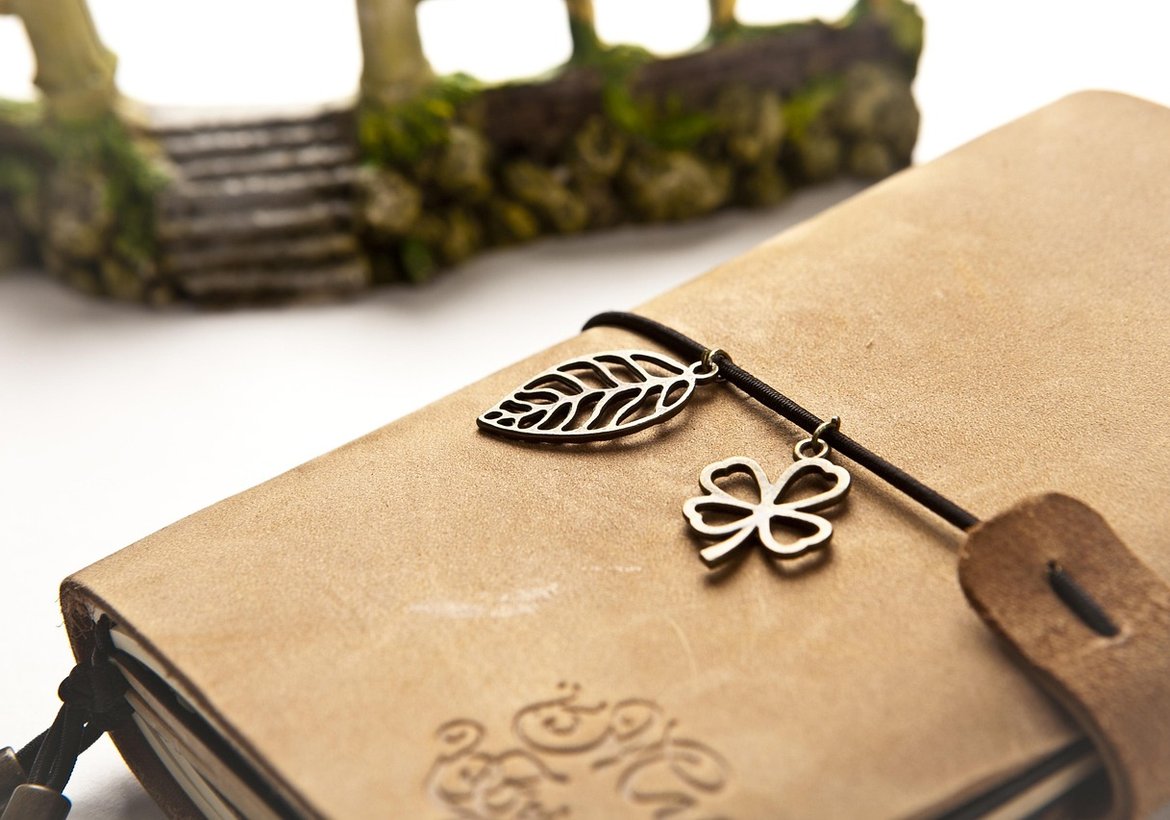
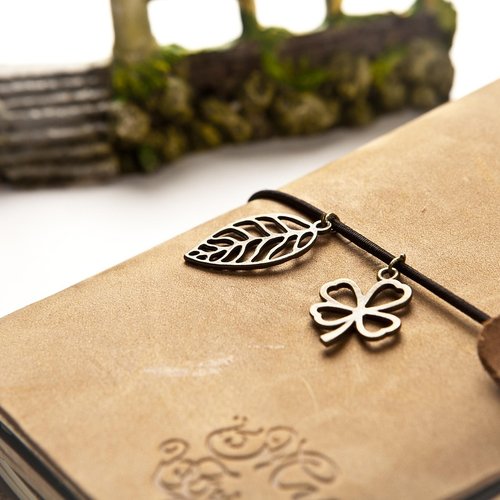
Birdwatching can be as simple as glancing out of the window and smiling at a sparrow. But there is a quiet pleasure in taking it one step further and writing down what you see. A birdwatching journal does not need to be fancy or scientific. It can be a cheap notebook, a note on your phone, or a beautifully bound book if that appeals to you. What matters is that you record something, because over time those small notes become a fascinating record of your garden and your own growing knowledge.
The act of writing something down changes how you watch. You start to notice details you might otherwise miss: the exact time a bird appears, the weather, the plant it feeds on, the call it makes. These details build into patterns, and patterns are where the real interest lies.
What to Record and How to Keep It Simple
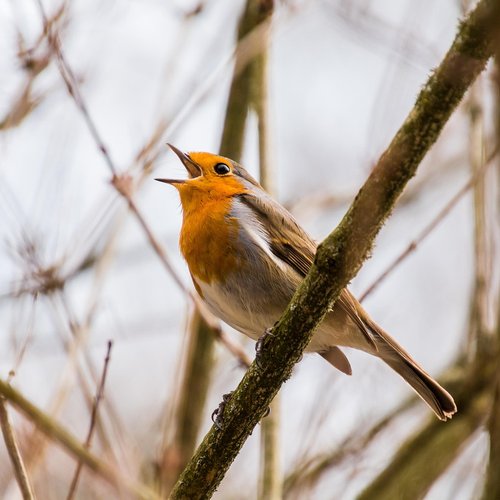
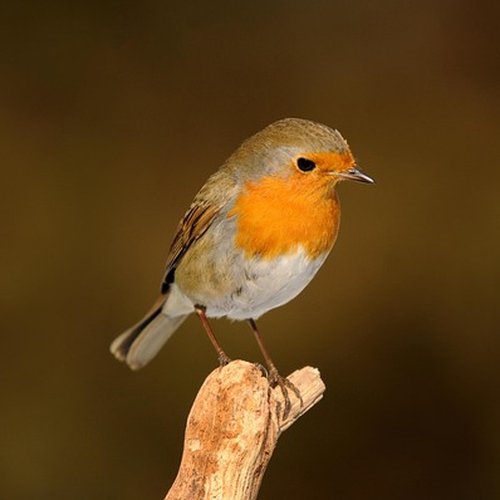
The most useful journal entries are usually the simplest. Start with the date and time. Add the weather conditions, because birds behave differently in wind, rain, and sunshine, and you will quickly see these effects in your notes. Then list the species you saw, even if it is just the regulars. A simple tally works well: two robins, one blackbird, a flock of long-tailed tits passing through.
Beyond the basics, you can add whatever interests you. Note the first time you hear a particular song each year, or the first appearance of a summer visitor such as a swallow or a chiffchaff. Record any interesting behavior, such as a bird bathing, collecting nesting material, or chasing off a rival. If you are learning bird identification, jot down the features that helped you decide, such as the white wing bars on a chaffinch or the red flash on a great spotted woodpecker.
Do not worry about getting everything right. Misidentifications are part of learning, and you can always add a question mark or a note to yourself. The journal is for you, not for an examiner. If you are unsure, write what you saw and leave it at that. Over time, you will build confidence and your notes will become more precise.
Some people like to add sketches, however rough. A quick drawing of a bird's shape or the pattern on its wing can help you remember it far better than words alone. Others prefer to stick in a few feathers found on the ground or note the plants that were flowering that day. There are no rules. The journal should reflect your own interests and the way your mind works.
Turning Notes into Knowledge Over Time
The real value of a journal emerges over months and years. After a single season, you will have a record of when the first robin sang, when the swifts arrived, and when the last berries were stripped from the hawthorn. After a few years, you will be able to compare one spring to another and see how weather patterns affect your local birds.
You may also notice changes in your garden. Perhaps a new plant has attracted a species you never saw before, or a particularly cold winter brought an unusual visitor to your feeders. These observations are not just personal pleasures. They contribute to a wider understanding of how wildlife responds to a changing climate and changing landscapes. Many national bird surveys rely on the observations of ordinary people, and your journal is a small part of that tradition.
Reviewing your journal can also be a way to set goals. If you have never seen a goldcrest in your garden, you might decide to plant more conifers or ivy to attract one. If you want to improve your identification skills, you could pick a few species to focus on each month and note every detail you can.
Above all, keep it enjoyable. A journal that feels like a chore will soon be abandoned. Write when you feel like it, in whatever format suits you. Leave gaps if life gets busy. The point is not to create a perfect record but to deepen your attention and your connection to the birds around you. A few minutes with a notebook can turn a casual glance out of the window into a lifelong habit of noticing.






















Cold weather is when garden birds need you most, but not all winter foods are equally helpful.
Alice Rose
Sep 24, 2026 at 3:12 pm